
Issue 17- Spring 2026
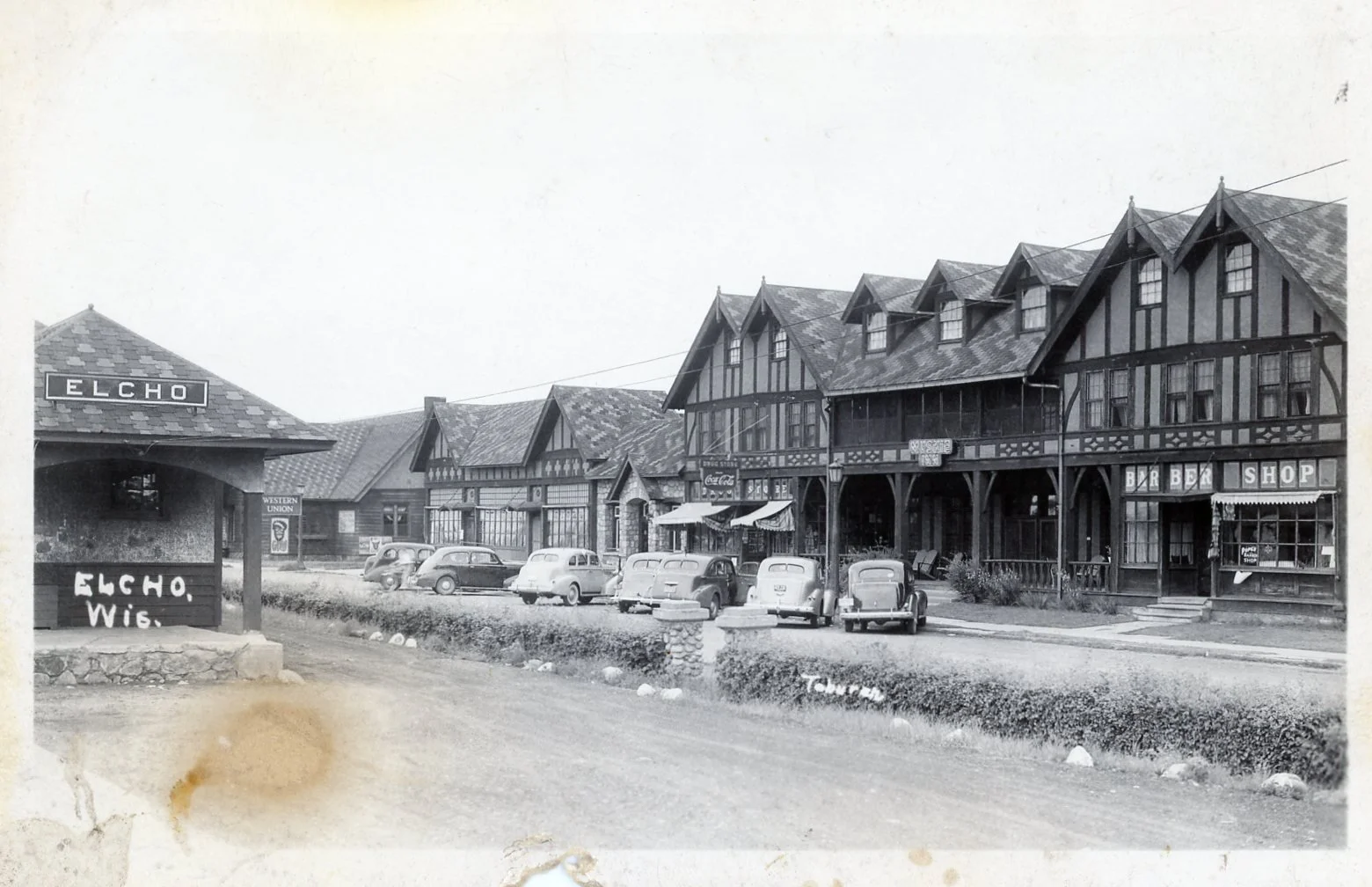
Rebuilt Elcho Business District
Letter from the President
By Bear Wheeler
Since the middle of January, we have been working behind the scenes planning and creating the displays in the museum. All the while, our wonderful secretary, Debi Mejak, has been planning our 4th of July grand opening of our museum. We will be celebrating the 250th anniversary of our Nation on the same day as the grand opening. We are mindful that this national celebration continues all year long, because there isn’t a way to fit everything into one glorious day.
Greg and Debi Mejak, and Bryan Spransy, are instrumental in getting all the displays set up. Along with their help, Aaron of AK Construction has been alongside them, building display tables, brackets, and mounts for the various items in the building. Debi has been making the photo prints, information cards, and just about anything one can think of. These people definitely love the area that they moved to. Since I am a local, I look at them with amazement. I am not sure that I could move somewhere else and do what they do. Also, Bryan is working in conjunction with Dale Loving getting all the display cabinets lit up. On the outside of the building, Dan Imig is working hard finishing up the beautiful decks and stairs, he is donating his labor. Amy Jacobs and Kim Schoenrock finished up the barn quilt that will add color to the southside of the building. We had a sign made for the society which will be installed sometime in May by the students of Mr. Travis Goeks’ shop class at the Elcho School. The sign and the means to display it have been donated by a generous family in the area. Mr. Goeks and the students did a fantastic job in designing, making, and painting the sign. Much appreciation goes to our wonderful school.
We are looking for artifacts that have direct ties to our surrounding area. Please understand that if you have items that you would like people to see but you can’t bring yourself to part with, you can loan them to us. This is the way that historical museums run and operate. We are trying our best to put a face to the objects and stories so that the memories of these people live on. Some of the families of the pioneers of this area have moved on to other parts of the country. We are here to preserve their memory and do the best to represent what they contributed to this area. A big thank you to Otto Tiegs III for all the research, and hunting for the information that is required. Also, there will be a kiosk that will have area pictures and family genealogy and area histories. This is being created with our input by Digital Design Services located in Green Bay.
With the festivities coming up this summer, everything is falling into place. It helps to start planning these events early. There are many things to see here in Elcho that day, and it will be a special one. We have our events from 9:30 a.m. until 2:30 p.m. and the fire department has the evening festivities at the Sno-Devils grounds. Also, Pelican Lake has their celebration on the 4th as well which is a just a few miles north of Elcho. In Elcho, there will be a fireworks show to cap the night off. There is a complete listing in this newsletter along with a map of events. We pray for wonderful turnout and participation.
As I said before, if you have history in this beautiful area, help us to preserve your family’s memory. Everyone plays a part. Have a blessed summer and hope to see you! Happy 250.
The Enterprise Radiation Forest Project
by Tyler Schilling
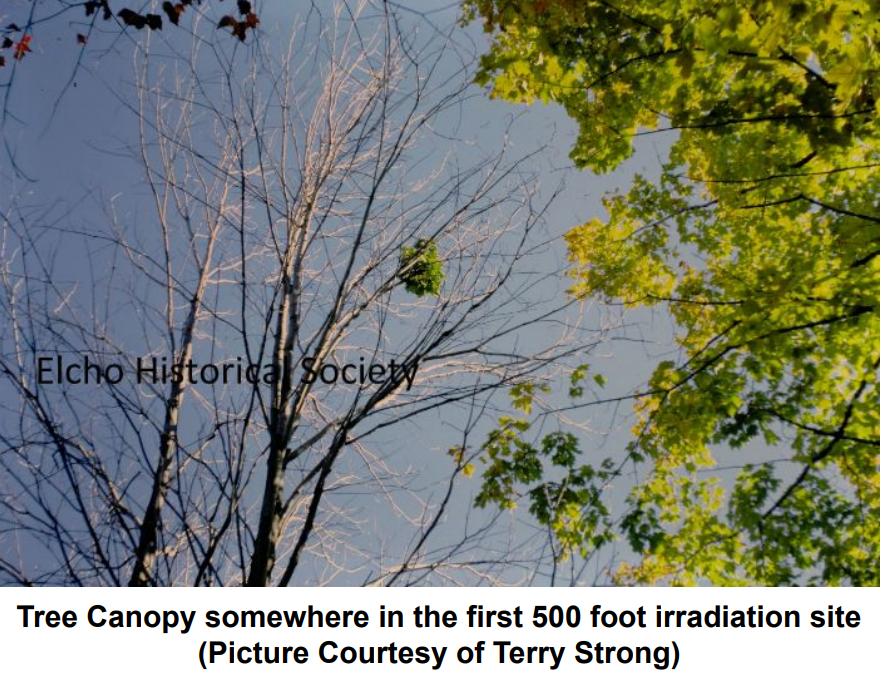
In 1967, the United States Atomic Energy Commission (AEC) began searching for a new site to study how radiation affects Midwestern forest ecosystems. This effort was part of a larger initiative to understand the potential environmental impacts of a nuclear power plant accident or even nuclear war.
At the time, similar irradiation experiments were already being conducted at several locations including Brookhaven National Laboratory in New York, the Savannah River Site in South Carolina, and a research facility in Puerto Rico.
The Rhinelander Forest Research Station in Wisconsin had previously carried out its own irradiation studies, which concluded in 1975. The site has since been repurposed for greenhouse and forestry research. Due to its prior experience, the station agreed to take on a new study focusing specifically on an aspen forest ecosystem.
After evaluating potential locations, researchers selected a 1,440-acre area of county and state-owned land near Enterprise, Wisconsin. On August 1, 1969, the land was leased for twenty years at a cost of $8,467, with an option to renew. This agreement marked the establishment of what became known as the Enterprise Radiation Forest.
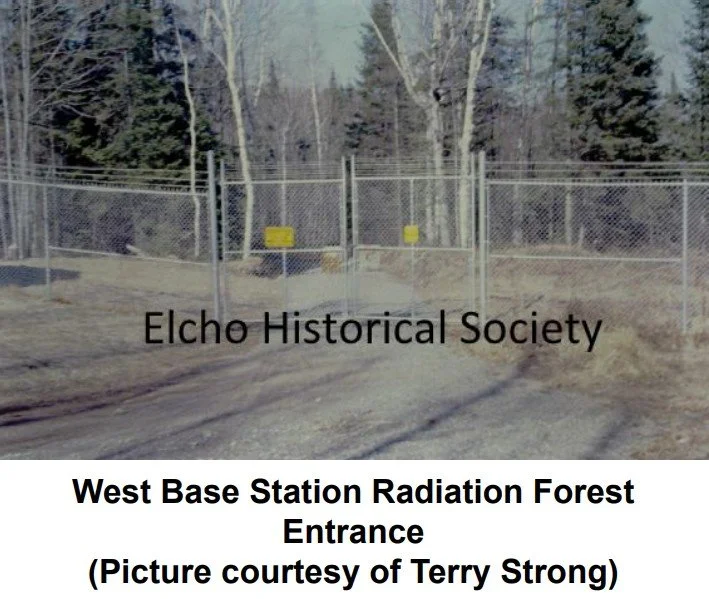
To secure the site, an eight-foot-tall barbed wire fence was built around the entire area, stretching nearly six miles. A 66-foot-wide cleared corridor ran along the perimeter, and “Caution: Radiation Area” signs were posted every 100 feet. After the project ended, portions of the fence were removed and reportedly reused at the Rhinelander airport, though they have since been dismantled.
Wildlife within the enclosure also had to be managed. Deer were captured and relocated, and the Wisconsin Department of Natural Resources later issued special hunting permits to control any remaining animals inside the fenced area.
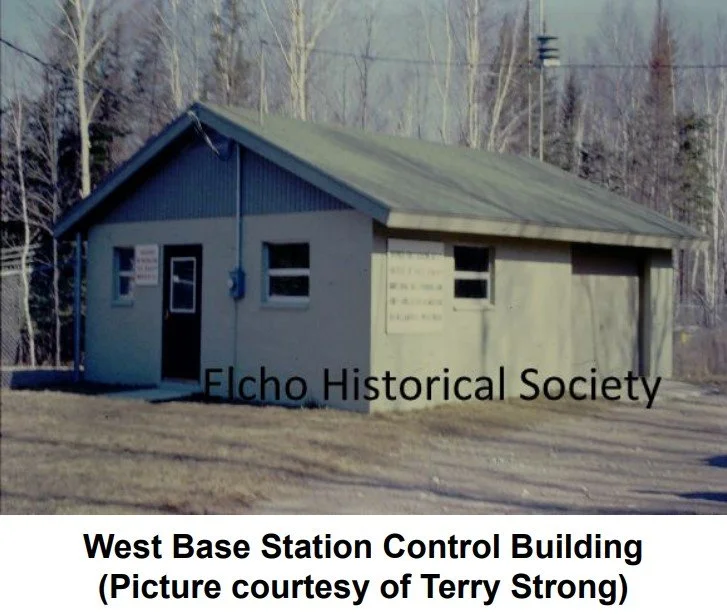
Access to the facility was limited to a small control building or a nearby gate, both of which were electrically linked to the control system. If either entry point was opened, the radiation source would automatically retract into its shielding. The control building itself measured 22 by 28 feet, was constructed of concrete block, and included a single-stall garage. It housed the equipment and monitoring systems used throughout the research project.
Vehicles assigned to the project included:
A ¾ - ton International 4-wheel drive crew cab truck with a winch
A ½ - ton pickup truck
A sedan
A Polaris 650 snowmobile (large for its time)
A Cushman Trackster tracked utility vehicle
The Radiation Source
The experiment relied on a highly radioactive Cesium-137 source with a strength of 10,000 curies. This material was originally used at a Puerto Rico test site before being reencapsulated at Oak Ridge National Laboratory inside a sealed stainless steel tube for safe handling. When not in use, the source was stored in a 2,000-pound lead shielding container known as a “lead pig.” During operation, an electromagnetic lift raised the capsule out of the shield, Allowing radiation to be emitted into the surrounding forest.
To prevent radiation damage to the equipment, the lift motor was protected by layers of lead bricks. The capsule itself was fitted with a thick, six-inch lead cap and was typically elevated for about 20 hours each day to irradiate the forest. Each morning, from 8:00 a.m. to 12:00 p.m., the source was lowered back into its shield so researchers could safely enter the area and conduct fieldwork.
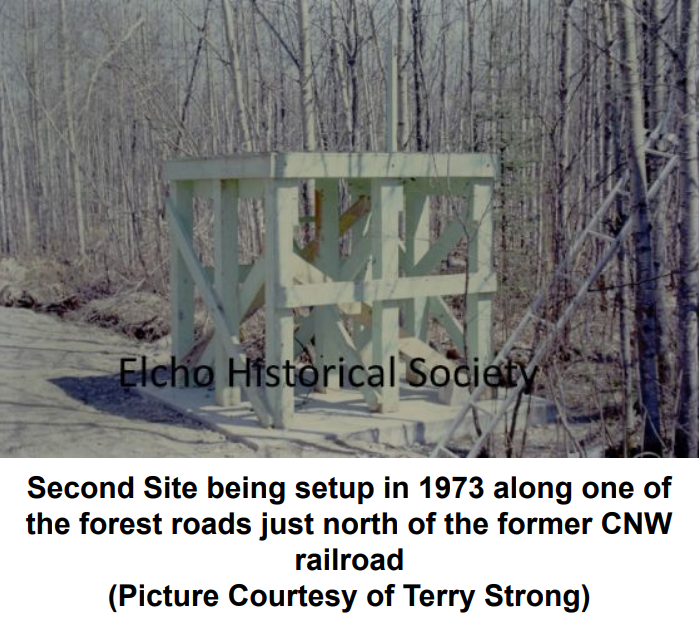
The source was mounted on a sturdy support structure made of 6×6 wooden posts driven four feet into the ground. Three two-inch solid stainless steel tubes provide additional protection, shielding the assembly from falling trees.
Several safety features were built into the system. An emergency trip hook positioned 500 feet away could be pulled to disengage the magnetic lift, causing the source to descend safely back into its shielded container. In the event of a power failure, which did occur during testing, the system was designed to automatically lower the source as well.
Activation of the radiation system required ten separate keys, each held by a different researcher. All ten had to be inserted into the control panel before the timer could be set and the source raised.
Despite these precautions, the control building was often left unattended. Former workers later noted that if someone had managed to breach the fence, it might not have been discovered until the following day.
The electrical system connecting the control building to the radiation source stretched nearly 11,000 feet. Most of the wiring was strung overhead, but the final 500 feet were buried two feet underground to protect the insulation from intense radiation exposure, which could otherwise degrade the wiring and lead to short circuits.
Irradiation Experiments
The first irradiation phase began on May 3rd 1972, and ran through October 16th 1972.
The project was conducted openly, with researchers regularly sharing findings with the public, journalists and visiting writers.
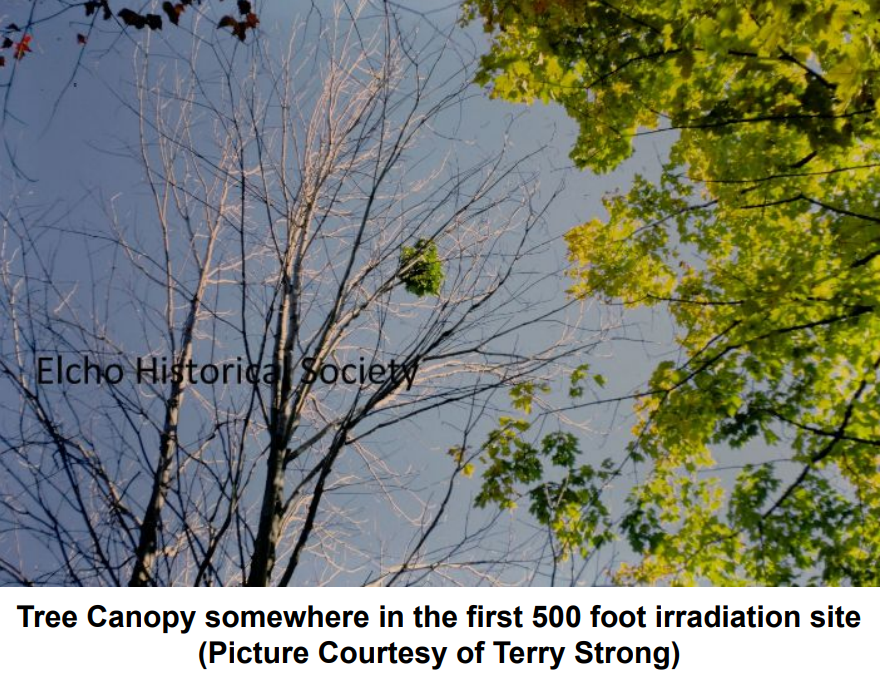
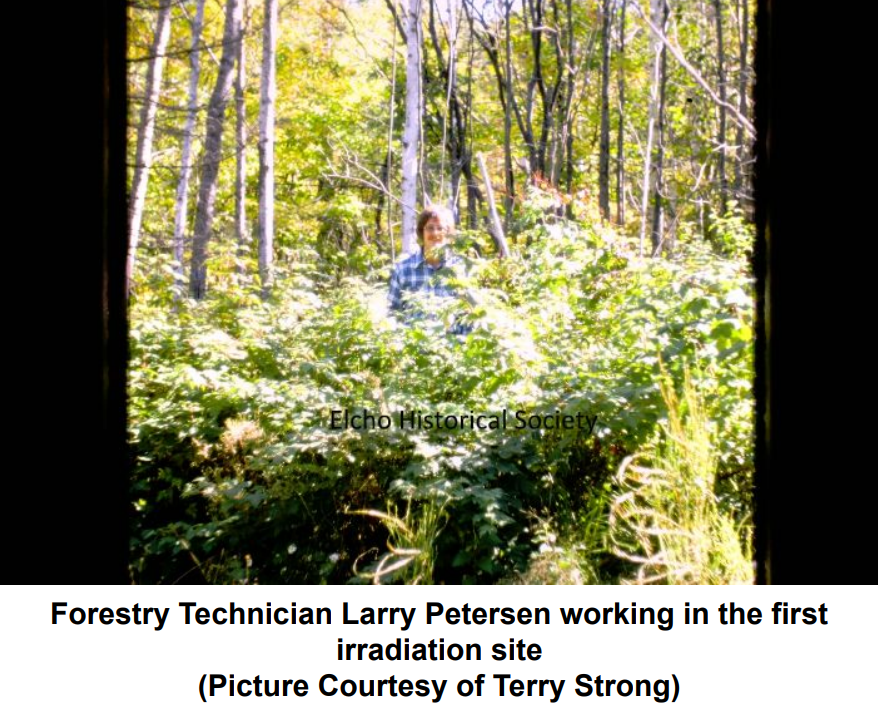
To carry out the study, plots were established at distances of up to 500 feet from the radiation source. Scientists gathered data along designated transects, measuring conditions at various distances and heights throughout the forest canopy.
The research examined a wide range of environmental factors, including radiation distribution and dosimetry, temperature and humidity, levels of solar and ultraviolet radiation beneath the canopy and the effects of radiation on microorganisms, plants, and trees. Seed production among vegetation was also closely monitored.
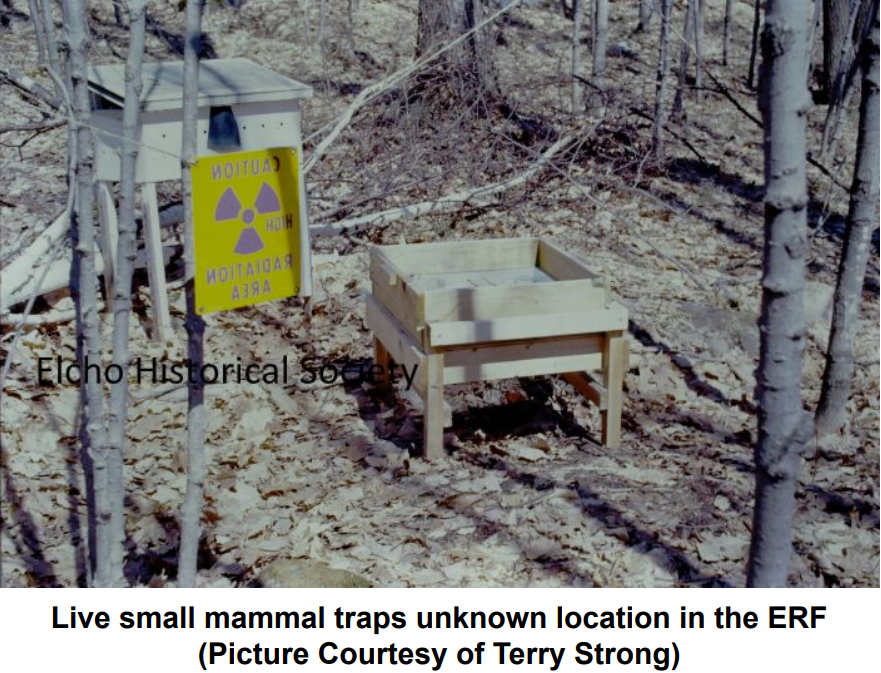
As part of the study, small mammals were captured for five days each month. Researchers attached small Teflon disks containing lithium fluoride to the animals’ ears to track radiation exposure. While some loss of the disks was expected, most remained in place long enough to yield useful data. The disks were later recovered and analyzed with specialized equipment to determine the amount of radiation absorbed by the lithium fluoride.
Cancellation of the Project
In 1973, as preparations began for a second irradiation site, the Atomic Energy Commission decided to cancel the program.
Official reports state the cancellation was due to changing priorities within the AEC. However, some former employees believed the real reason involved funding changes. The AEC had planned to gradually shift financial responsibility for the project to the U.S. Forest Service, and many believe the Forest Service was unwilling to assume the cost.
The Site Today
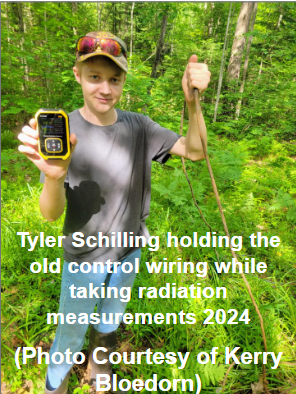
Today, the former Enterprise Radiation Forest site is almost unrecognizable. Much of the original fencing was removed and taken to the Rhinelander Airport, though some fence posts and strands of barbed wire still remain in the ground. There are also reports that portions of the fence were simply left along parts of the old perimeter. The underground electrical wiring is believed to still be in place.
The control building was eventually purchased by private owners, who briefly lived in it before demolishing it. By that time, most of the interior had already been stripped — sinks, toilets and even ceiling insulation were gone. The building’s concrete slab was later reused as the foundation for a larger home, and it remains the only visible trace of the original structure.
According to official reports and interviews with former workers, contamination at the site was not possible. The radioactive material had been securely sealed inside a welded stainless steel capsule, preventing leakage. Accessing it would have required cutting into the container, something both prohibited and unsafe to attempt in the field. In addition, cesium-137 has a finite radioactive lifespan of around 37 years, meaning any potential contamination would have significantly decreased over time.
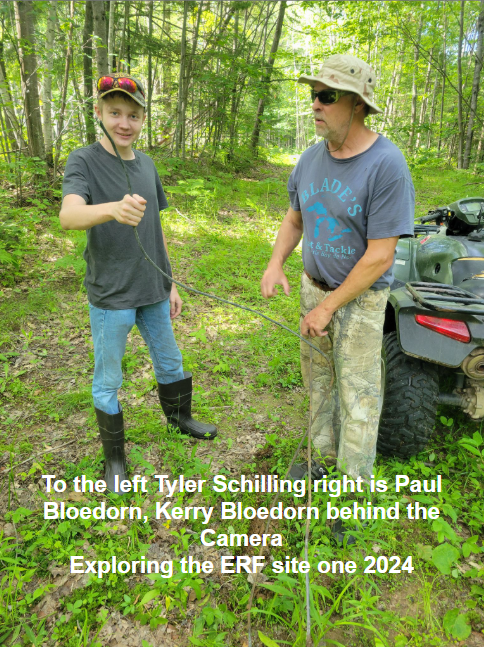
Independent research and testing conducted in the summer of 2024 further support this conclusion. Radiation measurements taken with a Geiger counter showed normal background levels, ranging from 0.08 to 0.15 microsieverts per hour, well below limits set by the United States government. Levels above 0.30 microsieverts per hour are generally considered unusual.
Although the project operated for only a single year, it produced valuable data and contributed to a better scientific understanding of how radiation interacts with forest ecosystems and the natural environment.
Acknowledgements
Special thanks to the following individuals for their contributions, interviews, and support during this research:
Members of the EHSI
Dave and Jennifer Schilling
James Jacobs
Ed Baur
Terry Strong
Gary Clark
Otto Tiegs
Kerry Bloedorn
The Rudolph Family
And many others who assisted with this project
Special appreciation also goes to my parents for allowing the use of their vehicles during field research.
In Honor Of
Dr. Thomas Rudolph
December 28, 1929-May 26, 2024
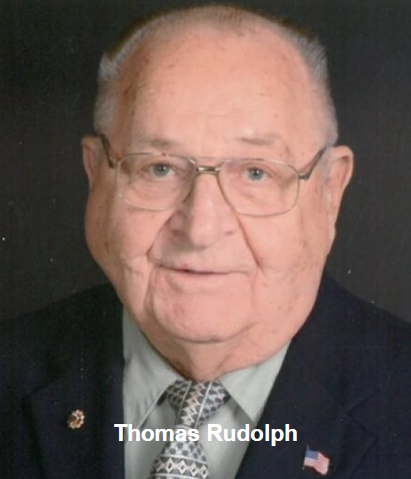
Project Leader of the Enterprise Radiation Forest and a researcher whose work contributed greatly to forestry science and environmental radiation studies.
GRAND OPENING
Elcho Grange Hall #671 Museum
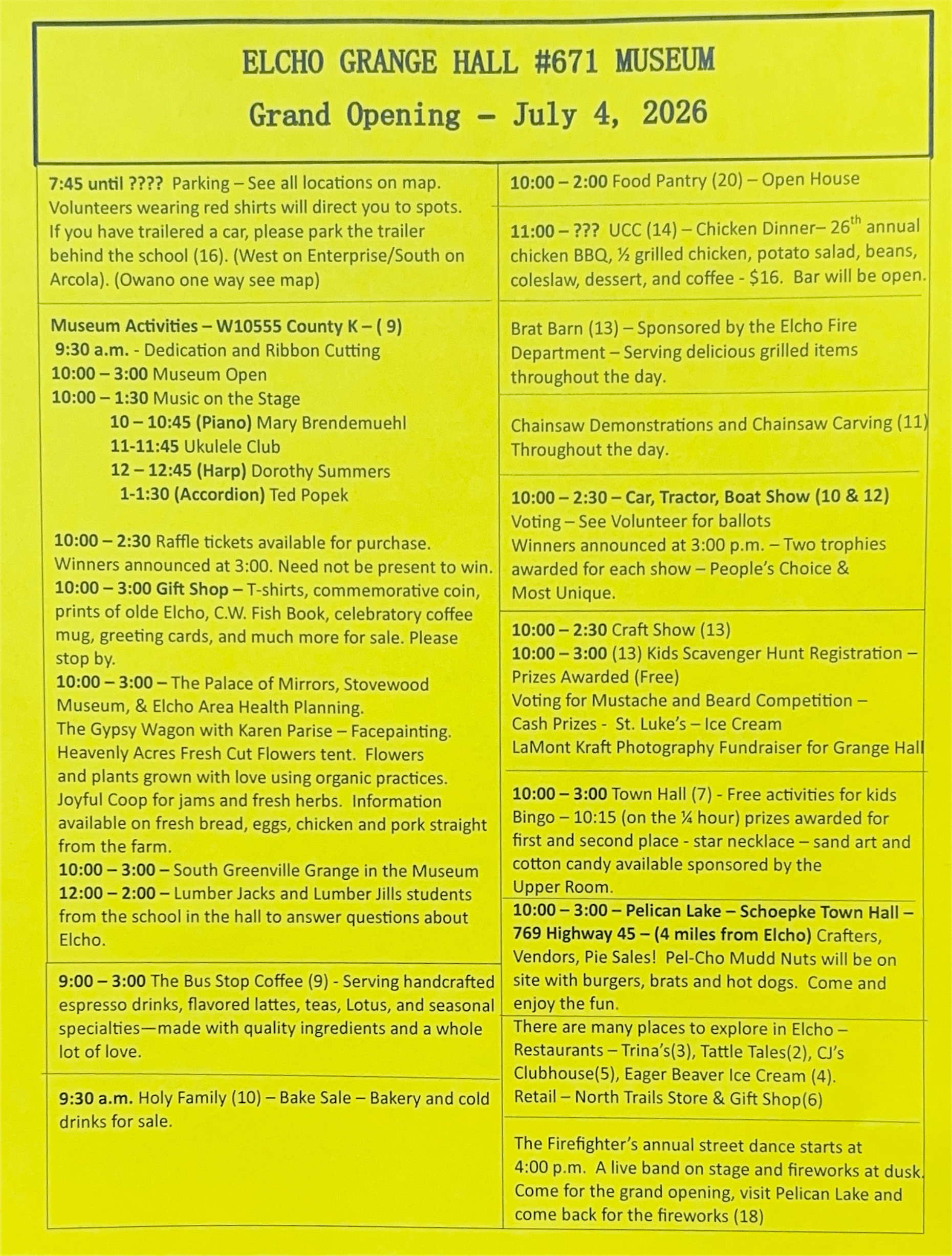
Activities Schedule for the Grand Opening Celebration July 4, 2026
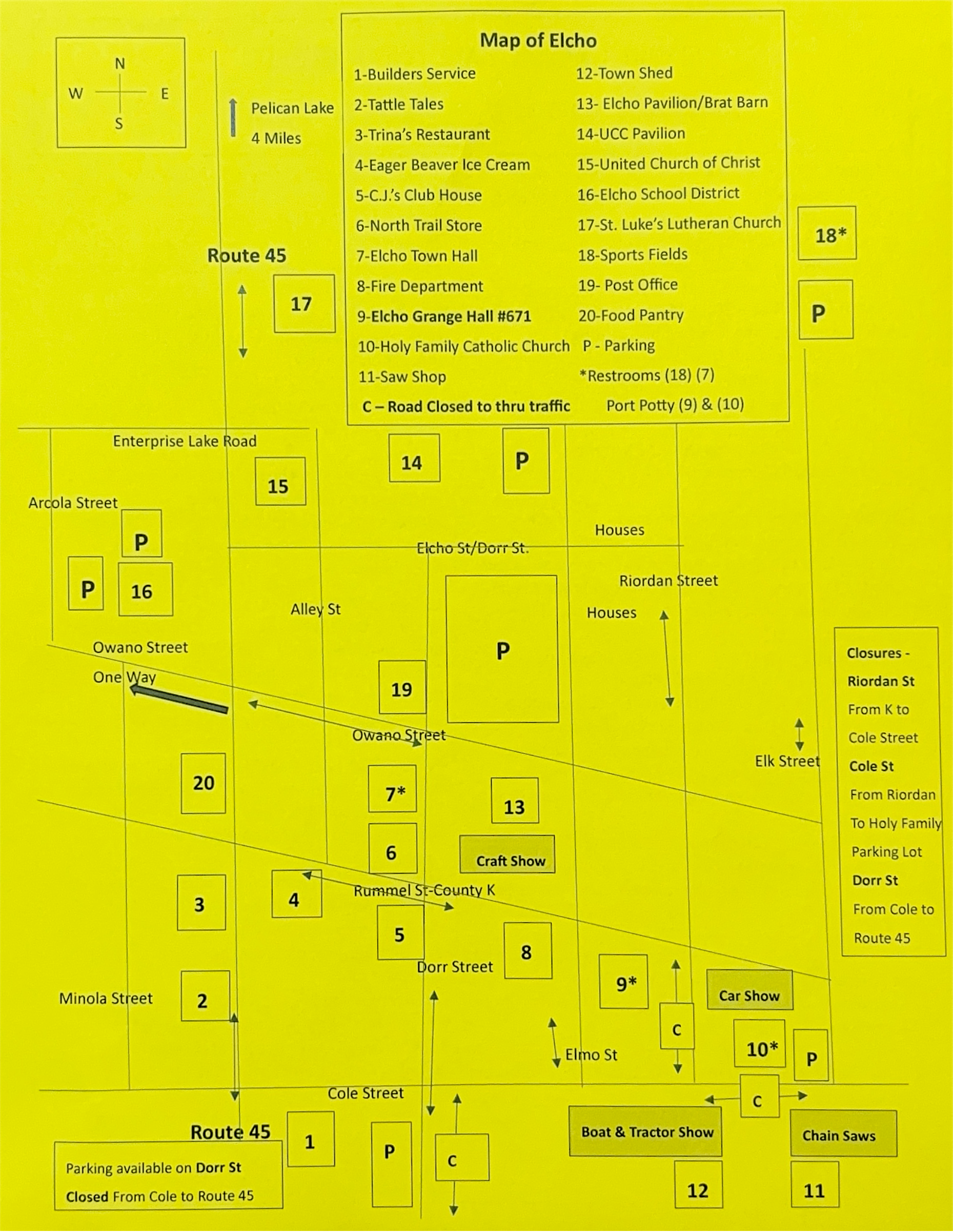
Map of Elcho with Activities Locations Listed
Thank You - Spring 2026
Items Donated
Anonymous - raffle basket items
Pat Scott - raffle basket items
Susan & John Liss - raffle basket items
Eric Rusch - fire extinguishers for Grange Hall
Renee’ & Dan Wink - America 250 celebration flag
Gerald Wallin - 1950 & 1953 Elcho Baseball club team photo, roster, game highlights, financials, equipment reports
Bob Brautigam - Cornhole game for raffle
In Memoriam Donations
Sally McHugh in memory of Nancy Winter
Donald Winter in memory of Nancy Winter
Joan & Kurt Tonn in memory of Nancy Winter
Jim Hubatch Family in memory of Scott Eveland
Joseph Tylicki in memory of Scott Anderson
Denise R. Ballou in memory of Jeffery Wayne, “Uncle Jeff”
Monetary Donations
Anonymous - Madison WI
Russell Perry - Oshkosh, WI
American Online Giving Foundation - Calgary, Alberta
Builders Service - Elcho, WI
Building Renovation
Wisconsin Public Service Foundation - Green Bay, WI
Mike Ryan, Brookfield, WI
Jule & Walter Raith, Neenah, WI
Milly Rugland, Appleton, WI
Dan Imig - Porch and handicap ramp
Membership Renewals
Charlie Black, Pelican Lake, WI
Steve & Teresa Whealon, Elcho, WI
Bob & Sue Brautigan, Pelican Lake, WI
Duernberger Painting, Antigo, WI
George & Marilyn Rock Family, Greenville, WI
Karen & Curtis Saari, Green Bay, WI
Connie & Helmut Kiesling, Lily, WI
Beth & Donald Goerke, Elcho, WI
Raymond Venn, Fitchburg, WI
Gerald Wallin, Green Valley, AZ
Charles & Melinda Malingowski, Sheboygan Falls, WI
New Members
Judy Henning - Wausau, WI
Susan Liss - Elcho, WI
Karen Kramer - Appleton, WI
Don & Amy Hammond - Falls Church, VA
Eave & Val Lawry - Elcho, WI
Catherine & Paul Smet - Deerbrook, WI
Barbara Jenkin - Spring Green, WI
Douglas Curler - Deerbrook, WI
Tamara Arendt - Milwaukee, WI
Brian Berner - Shawano, WI
Hugo & Vickie Pelzer - Elcho, WI
In addition to the specific individuals listed above, we would like to THANK all those that supported, baked and worked on our Brat Barns, Music in the Park, craft fairs, fundraising events and the museum restoration project. We couldn't have accomplished what we did this year without all your generous time and effort.